

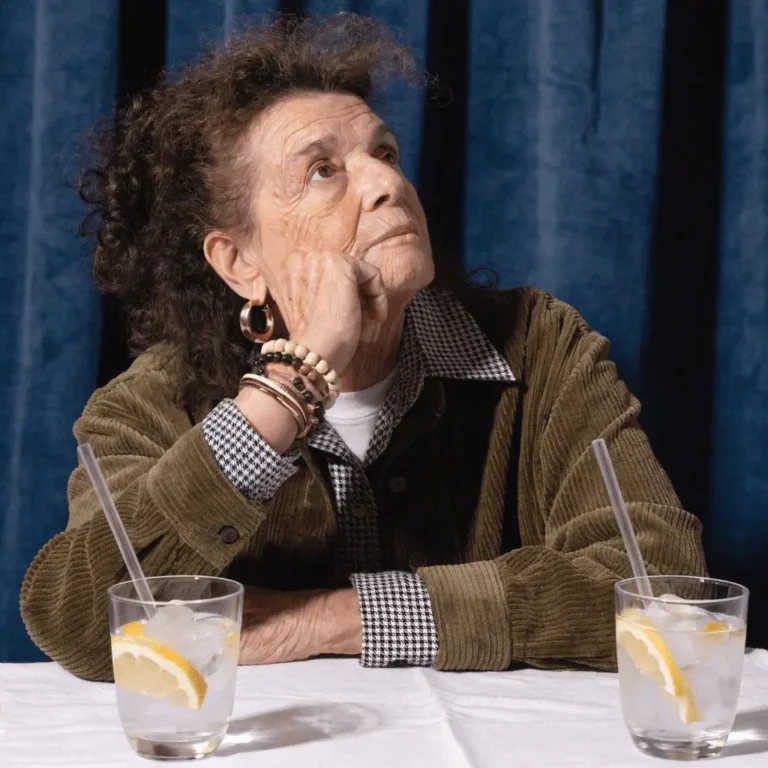
Arlene Litman is remembered primarily as the mother of actress Lisa Bonet, but her life story represents much more than a simple connection to Hollywood fame. Arlene Litman was an educator, a music teacher, and a woman who quietly shaped the lives of those around her through compassion, creativity, and strong values. While she lived away from the spotlight, her influence played a significant role in shaping the character and artistic spirit of her daughter, who later became a respected actress.
The life of Arlene Litman reflects the power of dedication to education, the importance of cultural understanding, and the strength required to raise a child with independence and creativity. Her journey began in Pittsburgh and later continued in California, where she worked as a teacher while raising her daughter as a single mother. Through her work in music education and her thoughtful parenting style, Arlene Litman helped build a legacy that continues through multiple generations of artists and creatives.
Although she never sought public recognition, the story of Arlene Litman demonstrates how quiet influence can leave a lasting mark. Her life was filled with challenges, social change, and personal resilience, making her story an important example of determination and thoughtful guidance.
Early Life of Arlene Litman
Childhood and Family Background
Arlene Litman was born on February 11, 1940, in Pittsburgh, Pennsylvania, into a Jewish American family. Her parents, Eli Litman and Sylvia Litman, belonged to a generation that valued education, cultural traditions, and community connections. Their family heritage traced back to Eastern European Jewish roots, particularly Polish and Russian ancestry.
Growing up in a Jewish household meant that cultural identity, traditions, and education played important roles in everyday life. Community gatherings, religious celebrations, and family values helped shape Arlene Litman’s early worldview. Her parents emphasized discipline, learning, and responsibility, which strongly influenced her future path.
Pittsburgh during the mid twentieth century was a city filled with diverse immigrant communities. Families often lived close to one another, creating strong neighborhood connections and cultural networks. Within this environment, Arlene Litman experienced a childhood grounded in shared values, cultural awareness, and strong family ties.
These early influences helped shape her sense of responsibility and commitment to education, qualities that later defined both her career and parenting philosophy.
Early Interests in Music and Creativity
One of the most important elements of Arlene Litman’s childhood was her connection to music. From an early age, she developed a strong appreciation for musical expression. Whether through school activities, community programs, or personal practice, music became a meaningful part of her life.
Music was more than entertainment for Arlene Litman. It was a form of communication and emotional expression. Through music, she learned discipline, creativity, and the importance of patience. These lessons eventually guided her career choice and influenced how she interacted with students and family members.
Her passion for music would later become central to her work as a teacher and to the creative environment she built at home.
Education and the Decision to Become a Teacher
Choosing a Career in Education
For Arlene Litman, teaching was not simply a job. It was a calling rooted in her belief that education had the power to transform lives. During the 1950s and 1960s, teaching was one of the most respected professions available to women who wanted to contribute meaningfully to their communities.
Arlene Litman believed that children needed encouragement, guidance, and a supportive learning environment in order to grow into confident individuals. She chose education because she wanted to help young people discover their talents and develop self confidence.
Her dedication to teaching reflected a deeper belief that knowledge and creativity should be accessible to everyone. Rather than focusing on recognition or career advancement, she focused on the positive impact she could make in the lives of her students.
Life as a Music Teacher
Music education became the center of Arlene Litman’s professional life. As a music teacher, she encouraged students to explore their creativity rather than simply memorize notes or follow strict performance rules.
Her teaching style emphasized emotional expression and personal growth. She believed that music could help students understand themselves and develop discipline at the same time. In her classroom, mistakes were treated as opportunities to learn rather than failures.
Students who learned under Arlene Litman often found her classes welcoming and supportive. She created an environment where children felt comfortable exploring their voices and talents.
Her work as a music teacher may not have attracted public attention, but it influenced countless students who benefited from her encouragement and dedication.
Marriage and Cultural Union
Meeting Allen Bonet
During the 1960s, Arlene Litman met Allen Bonet, an opera singer with a deep appreciation for music and performance. Their connection was built on shared artistic interests and a mutual love of music.
Allen Bonet was an African American artist whose musical background brought a different cultural perspective into the relationship. Music created a bridge between their worlds and allowed them to connect through creativity and artistic passion.
Their relationship developed at a time when American society was experiencing significant cultural change.
Interracial Marriage in a Changing America
When Arlene Litman married Allen Bonet, interracial marriage was still a controversial topic in many parts of the United States. Social attitudes often created challenges for couples whose relationships crossed racial boundaries.
Despite these difficulties, Arlene Litman chose to follow her personal beliefs rather than conform to social expectations. Her decision reflected courage and a strong commitment to love and personal freedom.
Although their marriage eventually ended, the union represented an important moment in her life and in the broader context of social change during the 1960s.
Becoming a Mother to Lisa Bonet
The Birth of Her Daughter
On November 16, 1967, Arlene Litman welcomed her daughter, Lisa Michelle Bonet. Becoming a mother marked a turning point in her life and introduced new responsibilities and challenges.
Shortly after Lisa’s birth, Arlene Litman’s marriage ended, leaving her to raise her daughter as a single parent. Single motherhood during that era was not always easy, especially for women raising children with mixed racial heritage.
Despite these obstacles, Arlene Litman focused on providing a stable and loving environment for her daughter.
Life as a Single Mother in California
Arlene Litman eventually moved with her daughter to the Los Angeles area, settling in the San Fernando Valley community of Reseda. Their life was modest but filled with creativity, learning, and emotional support.
Balancing a full time teaching career with parenting required discipline and determination. Arlene Litman worked hard to ensure that her daughter had access to education, artistic opportunities, and a nurturing home environment.
Books, music, and thoughtful discussions were likely common parts of their daily life.
Parenting Philosophy of Arlene Litman
Encouraging Independence and Creativity
One of the defining aspects of Arlene Litman’s parenting style was her belief in encouraging independence. She believed that children should develop their own identities and express themselves freely.
Instead of imposing strict expectations, she provided guidance and support while allowing her daughter to explore her interests. This approach helped Lisa Bonet develop confidence and individuality from a young age.
Emotional Support and Personal Growth
Arlene Litman believed that emotional understanding was just as important as academic achievement. She encouraged open communication and self reflection, helping her daughter navigate challenges and develop self awareness.
These values later became visible in Lisa Bonet’s personality and career choices. Her unique presence and authenticity in the entertainment industry reflect the strong foundation created by her mother.
Cultural Identity and Heritage
Raising a Child of Mixed Heritage
Lisa Bonet grew up with both African American and Jewish cultural roots. During the 1970s, mixed cultural identities were not widely represented in mainstream media or society.
Arlene Litman helped her daughter understand and appreciate both sides of her heritage. She taught her to respect diversity and embrace all aspects of her identity.
This balanced perspective helped Lisa Bonet grow into a confident individual who celebrated her unique background.
Jewish Values and Ethical Influence
Although Arlene Litman later described herself as an atheist, the ethical principles associated with Jewish culture remained important in her life. Values such as education, justice, compassion, and family responsibility continued to influence her worldview.
These principles shaped how she approached teaching and parenting. They also became part of the legacy passed down to her daughter and granddaughter.
Influence on Lisa Bonet’s Career
Quiet Guidance Behind the Scenes
When Lisa Bonet gained fame during the 1980s, Arlene Litman remained largely private. She did not seek attention or recognition for her role in her daughter’s success.
However, the influence of Arlene Litman was clearly reflected in Lisa Bonet’s thoughtful and independent personality.
Supporting Authenticity in the Arts
Arlene Litman encouraged creative exploration and self expression throughout her daughter’s childhood. Because of this supportive environment, Lisa Bonet developed the confidence to pursue artistic roles that aligned with her personal beliefs.
Her willingness to challenge expectations and maintain authenticity can be traced back to the values instilled by her mother.
Later Life and Family Legacy
Becoming a Grandmother
In 1988, Arlene Litman became a grandmother when her daughter welcomed Zoë Kravitz. This new role brought another generation into the family legacy of creativity and artistic expression.
As a grandmother, she continued to provide emotional support and guidance within the family.
Illness and Passing
Arlene Litman passed away on March 3, 1998, at the age of 58 after battling a serious illness. Her passing marked the end of a life dedicated to education, family, and personal integrity.
Although she lived outside the public spotlight, her influence continued through the lives she touched.
The Lasting Legacy of Arlene Litman
Influence on Zoë Kravitz
The legacy of Arlene Litman continues through her granddaughter Zoë Kravitz, who has spoken about her family heritage and cultural background. Zoë’s creativity and artistic independence reflect values that were passed down through generations.
A Family of Artists
The family influenced by Arlene Litman includes several well known figures in entertainment and music. Through her daughter and granddaughter, her values continue to reach audiences around the world.
Her life demonstrates how one person’s dedication to education and creativity can inspire future generations.
Frequently Asked Questions
What is Arlene Litman known for?
Arlene Litman is best known as the mother of actress Lisa Bonet. She was also a dedicated music teacher and educator who influenced many students and played a major role in shaping her daughter’s creative and independent personality.
Why did Lisa Bonet change her name?
Lisa Bonet later adopted the name Lilakoi Moon as a personal expression of identity and spiritual growth. The change reflected her desire to embrace a name that felt more connected to her personal beliefs and lifestyle.
What is Lisa Bonet’s ethnicity?
Lisa Bonet has a mixed ethnic background. Her mother, Arlene Litman, was of Jewish descent with Eastern European roots, while her father, Allen Bonet, is African American.
Where was Arlene Litman born?
Arlene Litman was born in Pittsburgh, Pennsylvania, United States.
What profession did Arlene Litman have?
She worked as a teacher and music instructor, dedicating her career to helping students develop creativity and confidence.
Was Arlene Litman a single mother?
Yes, Arlene Litman raised Lisa Bonet as a single mother after separating from Allen Bonet.
Where did Arlene Litman live later in life?
She lived in California, particularly in the Los Angeles area, while working as a teacher and raising her daughter.
When did Arlene Litman pass away?
She passed away on March 3, 1998.
Did Arlene Litman influence Lisa Bonet’s career?
Yes, her supportive parenting style and encouragement of creativity strongly influenced Lisa Bonet’s artistic personality and career choices.
What values did Arlene Litman teach her family?
She emphasized education, authenticity, cultural respect, creativity, and emotional awareness.
Conclusion
Arlene Litman lived a life defined by dedication, compassion, and quiet influence. While she never sought fame or public recognition, her work as a teacher and her role as a mother created a lasting legacy that continues through multiple generations.
Her commitment to education helped shape many young minds, while her parenting philosophy encouraged creativity and independence in her daughter. These qualities played a major role in shaping Lisa Bonet’s unique personality and career.
The story of Arlene Litman reminds us that true influence does not always come from public recognition. Often, the most meaningful legacies are built through everyday acts of care, teaching, and guidance. Through her dedication to learning, creativity, and family, Arlene Litman left an enduring mark that continues to inspire those who learn about her life.
